Serves = 4
1 bottle (750ml) non-alcoholic red wine
1 large orange, sliced into rounds
2 cinnamon sticks (or 1 teaspoon ground cinnamon)
1/2 teaspoon ground nutmeg
1 tablespoon honey or maple syrup (optional, adjust to taste)
A non-alcoholic twist on classic mulled wine - a quick, warming, cozy drink made with simple pantry staples perfect for chilly winter nights!
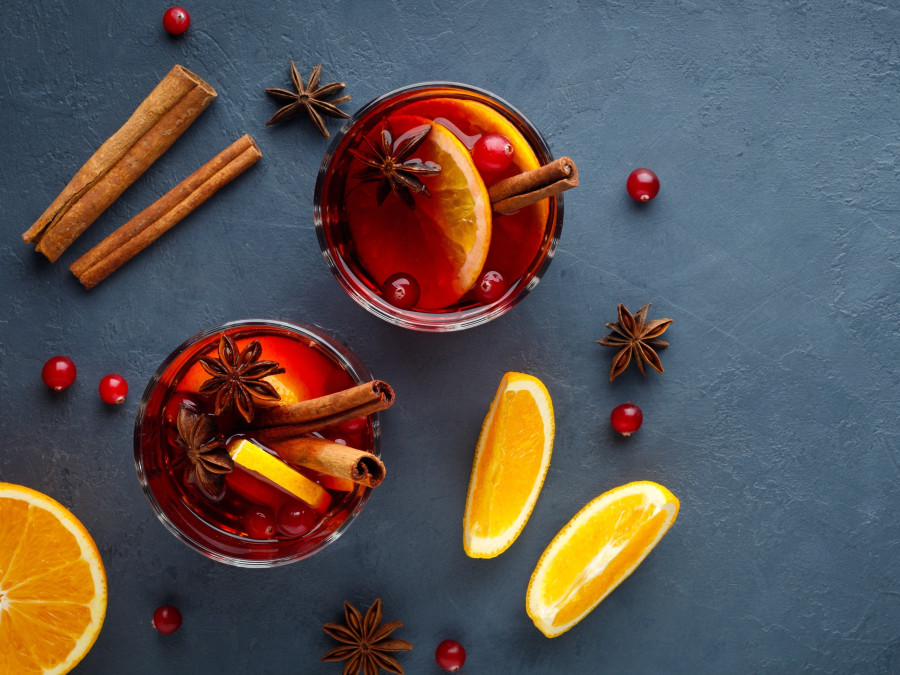
In a medium saucepan, add the non-alcoholic red wine, orange slices, cinnamon, and ground nutmeg.
Place the saucepan over medium heat until it just begins to simmer. Do not let it boil, as keeping it at a gentle simmer preserves the fruit flavours.
Turn the heat down to low. Let the mixture simmer gently for 15 to 20 minutes to allow the spices and orange to deeply infuse the liquid.
Remove the saucepan from the heat. Stir in 1 tablespoon of honey or maple syrup, if desired. Place a fine mesh sieve over a clean pot and pour the liquid through to strain out the orange slices, cinnamon sticks, and any gritty ground spice sediment. Serve warm!
Add a squeeze of fresh lemon juice or a strip of lemon peel alongside the orange to up the citrus flavours.
Swap oranges for sliced apples, pears, or a handful of frozen berries for different flavour combinations.
Let the mixture cool completely, strain it, and top it up with sparkling water or low-sugar ginger beer over ice for a refreshing summer mocktail!
If you don't have a fine mesh sieve, you can strain the mulled wine through a coffee filter or a piece of paper towel placed in a regular sieve.
Serves = 4
Nutrition information (per serve),
Energy (311kJ)
Protein (0.7g)
Total Fat (0.5g)
Saturated Fat (0.3g)
Carbohydrate (20g), (Starch (1.8g), Sugars (6.8g), Added sugars (0g), Free Sugars (2.5g))
Dietary Fibre (0.6g)
Sodium (14.8mg)
Calcium (7.2mg)
Iron (0mg)
Author: Brydie McCosker, APD
What you eat or don’t eat affects how you look, feel and perform. Take our short quiz to find out what foods you could introduce to help you be your best.
What is healthy eating?
Eating healthy is making sure you enjoy a wide variety of foods from each of the five major food groups daily, in the amounts recommended. The five major food groups as recommended by the Australian Guide to Healthy Eating are:
Foods are grouped together because they provide similar amounts of key nutrients and eating a variety of foods from the list above helps to promote good health and reduce the risk of disease.
How do I improve my diet?
If you want to improve your diet you have come to the right place. By completing the Healthy Eating Quiz you’ll receive instant personalised feedback and a report on your diet quality to highlight any areas where you can improve your overall eating habits. Your score is based on the frequency and variety of the foods consumed from the five major food groups mentioned above. No Money No Time can help you improve your score by providing tips, goals and suggestions. On top of this we will provide quick, cheap and healthy recipes as well as credible answers to diet hacks, myths and FAQ’s.
Is my diet healthy?
Dietary habits are different between people. Some people choose to follow a particular diet (i.e., Keto diet or vegan diet) while some have to make changes due to certain food restrictions or health conditions. If you want to know if what you usually eat is healthy, then do the Healthy Eating Quiz today to give you the answers in less than 10 minutes.
Why is healthy eating important?
Your HEQ score and personalised feedback report is based on the frequency and variety of healthy core foods you usually eat. This is important because no single food contains all the nutrients we need to stay healthy. Some foods are higher in nutrients than others and people who have a lot of variety in the foods they eat are more likely to be healthy and to stay healthy. In other words, if you can eat a large variety of vegetables as opposed to only 2-3 types of vegetables, the benefits are much greater. This type of diet also helps you to feel better, think better and perform better during your usual daily activities.