
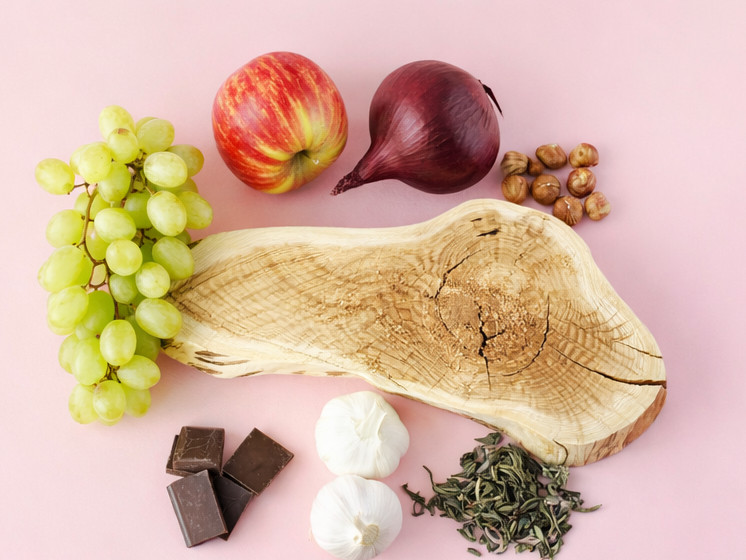
Polyphenols are a natural compound found in many different plant-based foods. They're part of a group called phytochemicals, which are substances that help protect plants from damage caused by sunlight, insects and disease.
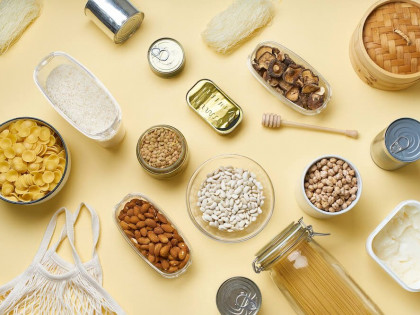
Polyphenols are found in a wide range of foods like fruits, vegetables, herbs and spices, wholegrains, nuts and seeds, olive oil, cocoa and tea and coffee. They’re different to macro and micronutrients, but they have similar health benefits. They work to ‘mop up’ damaging compounds called ‘free radical’s that can cause damage to cell walls and cause inflammation.
Eating foods rich in polyphenols, such as cocoa and citrus juice have been shown to improve reaction time, increase capacity for mental work as well as reduce perceived fatigue, and offer longer term protection from neurodegenerative diseases such as dementia.
There are about 8000 different polyphenols, and different plants contain different types so eating a variety of different plant foods helps you get a wider range.
Below is a table of the four different subgroups of polyphenols and the foods you can find them in.
Subclass |
Examples of polyphenols |
Food sources |
Phenolic acids |
Hydroxybenzoic acid and hydroxycinnamic acids such as gallic, p-coumaric, caffeic, ferulic acids |
Fruits such as berries, kiwi fruit, cherries, apples, pears Vegetables such as eggplant, potato, spinach, broccoli Coffee Olive oil |
Flavonoids |
Flavonols, flavones, isoflavones, flavanones, flavanols and anthocyanins. |
Fruits such as apples, berries, black grapes, citrus fruits, red and purple fruits Vegetables such as eggplant, red cabbage, onion Soy products like tofu, miso Tea and coffee Cocoa |
Stilbenes |
Resveratrol |
Grapes, wine, berries |
Lignans |
Pinoresinol, Lariciresinol |
Flaxseeds and sesame seeds |
Want to dive deeper? Listen to the full podcast episode on this topic where Prof Clare Collins and Dr Erin Clarke discuss what polyphenols do in the body, more about their health benefits and how to incorporate more of these plant compounds into your daily eating patterns so you get the health and wellbeing benefits.
What are polyphenols? Should you eat (or drink) more foods containing them? ...with Dr Erin Clarke