

Podcasts

 Back to Podcasts

How shift work affects eating, drinking, sleep, health and wellbeing! Practical tips to help shift workers eat better and feel better! ...with Prof Alison Coates

Nutrition Science Bites with Professor Clare Collins AO

Play Podcast
How shift work affects eating, drinking, sleep, health and wellbeing! Practical tips to help shift workers eat better and feel better! ...with Prof Alison Coates

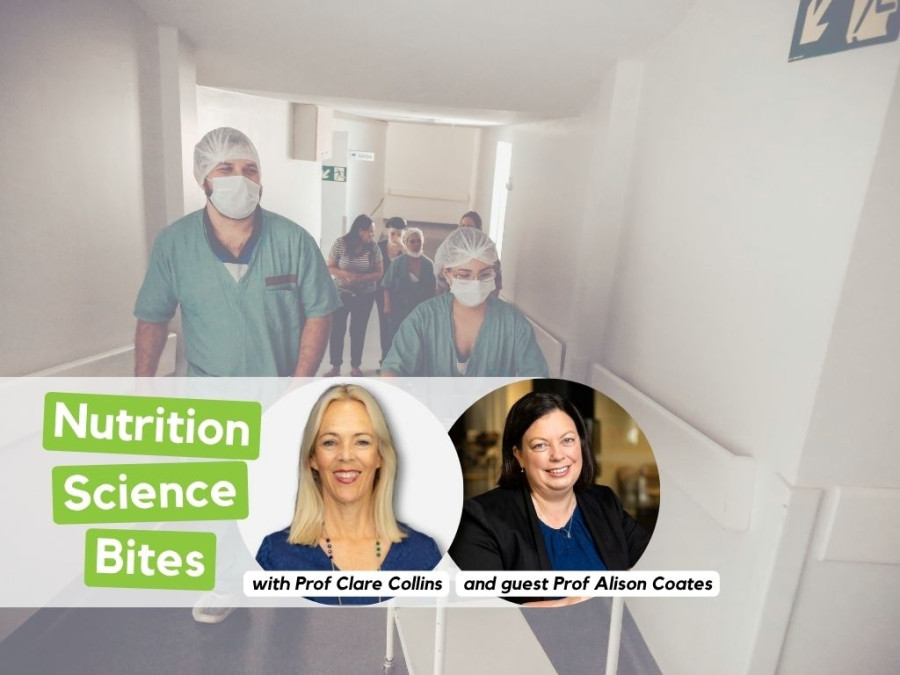
In this Nutrition Science Bites episode Professor Clare Collins interviews Professor Alison Coates, a leading expert in nutrition and shift work from Adelaide University. They discuss the unique nutritional challenges faced by shift workers and practical strategies to help shift workers improve their nutrition-related health and wellbeing. This includes planning meals ahead of time, changing meal timing to improve metabolic health, supporting workplace policies for healthy food options, and using support tools for alcohol and nutrition assessment.

Key topics

  1. Impact of shift work on eating patterns
  2. Nutritional challenges for shift workers
  3. Strategies for healthy eating during night shifts
  4. The role of chronobiology in shift work health


Support tools for alcohol risk assessment

How can you reduce or quit alcohol? | Australian Government Department of Health and Aged Care

Hello Sunday Morning - Drink Self-Assessment


No Money No Time Resources:

Information on Fasting Diets

To Snack or Not Snack

The Future of Meal Prep: How AI Can Simplify Your Week


To check your plant variety at No Money No Time using our Healthy Eating Quiz: Click on the top right hand 'green button' called 'How healthy is my diet'

Want a more Personalised Food, Nutrient Assessment Report? Use our Australian Eating Survey - For a 50% discount enter the 'DietCheck' code at the checkout! Purchase here

Here's the link to the No Money No Time closed Facebook group (be sure to take the Healthy Eating Quiz first)

Our No Money No Time email: nmnt@newcastle.edu.au and our Nutrition Science Bites email: nutritionsciencebites@newcastle.edu.au

Are you in a position to make donation to support our No Money No Time website? Donate here

Keywords: #shift work #nutrition #diet #health #sleep #chronobiology #shift workers #dietary strategies #Australia

Your Personal Healthy Eating Quiz

What you eat or don’t eat affects how you look, feel and perform. Take our short quiz to find out what foods you could introduce to help you be your best.

Read More Show Less

What is healthy eating?

Eating healthy is making sure you enjoy a wide variety of foods from each of the five major food groups daily, in the amounts recommended. The five major food groups as recommended by the Australian Guide to Healthy Eating are:

  1. vegetables and legumes/bean
  2. fruit
  3. lean meats and poultry, fish, eggs, tofu, nuts and seeds, legumes/beans
  4. grain (cereal) foods, mostly wholegrain and/or high cereal fibre varieties
  5. milk, yoghurt, cheese and/or alternatives, mostly reduced fat.

Foods are grouped together because they provide similar amounts of key nutrients and eating a variety of foods from the list above helps to promote good health and reduce the risk of disease.

How do I improve my diet?

If you want to improve your diet you have come to the right place. By completing the Healthy Eating Quiz you’ll receive instant personalised feedback and a report on your diet quality to highlight any areas where you can improve your overall eating habits. Your score is based on the frequency and variety of the foods consumed from the five major food groups mentioned above. No Money No Time can help you improve your score by providing tips, goals and suggestions. On top of this we will provide quick, cheap and healthy recipes as well as credible answers to diet hacks, myths and FAQ’s.

Is my diet healthy?

Dietary habits are different between people. Some people choose to follow a particular diet (i.e., Keto diet or vegan diet) while some have to make changes due to certain food restrictions or health conditions. If you want to know if what you usually eat is healthy, then do the Healthy Eating Quiz today to give you the answers in less than 10 minutes.

Why is healthy eating important?

Your HEQ score and personalised feedback report is based on the frequency and variety of healthy core foods you usually eat. This is important because no single food contains all the nutrients we need to stay healthy. Some foods are higher in nutrients than others and people who have a lot of variety in the foods they eat are more likely to be healthy and to stay healthy. In other words, if you can eat a large variety of vegetables as opposed to only 2-3 types of vegetables, the benefits are much greater. This type of diet also helps you to feel better, think better and perform better during your usual daily activities.

Take the Healthy Eating Quiz