
Why does blood pressure matter, and how high is too high?
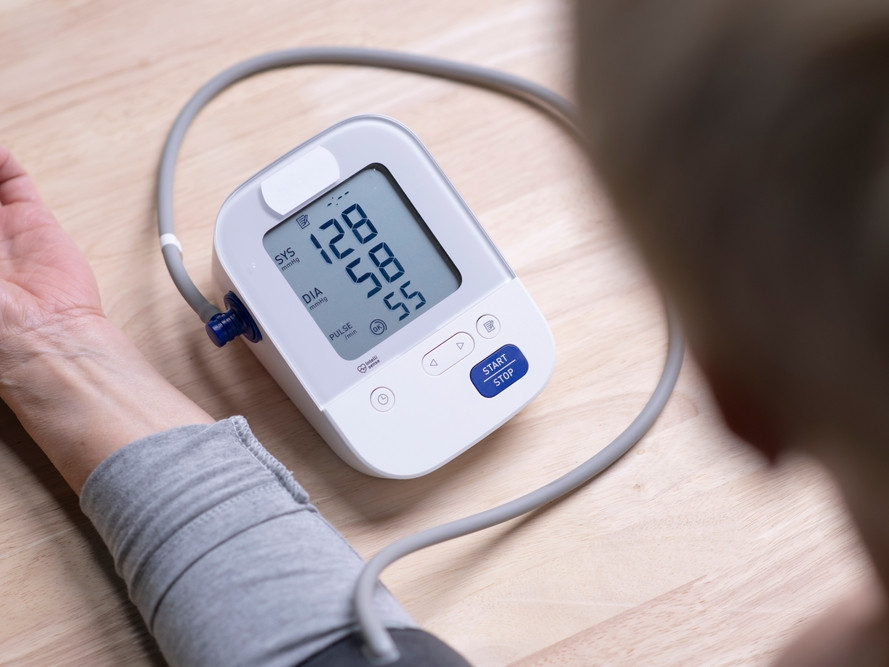
Blood pressure is simply the force of blood pushing against the walls of blood vessels as it pumps. Every time your heart beats, it pushes blood out through your arteries creating pressure. When your heart relaxes between beats, the pressure drops. When you blood pressure is taken, two numbers are reported:
Systolic (the first number): the pressure when your heart is squeezing, and blood is being pushed around the body
Diastolic (the second number): the pressure when your heart is relaxing, and refills with blood
High blood pressure, or hypertension, is often called a ‘silent’ condition, as it doesn’t cause obvious symptoms, but over time, can contribute to an increased risk of heart attacks and strokes, and worsen existing kidney and heart disease. Normal blood pressure is 120/80mmHg, and high blood pressure is diagnosed when blood pressure is greater than 140/90mmHg, consistently. Even small reductions (like 5–10 mmHg) can significantly reduce your risk of heart disease and stroke.
Where do Sodium and Potassium Fit?
Sodium and potassium are both essential minerals that help regulate fluid balance, nerve function, and muscle contractions, but they have opposite effects on blood pressure. Sodium tends to increase blood pressure by causing the body to hold onto fluid. This extra fluid increases the volume of blood in your vessels, putting more pressure on the vessel walls.
As of 2023, two thirds of Australian adults had a usual sodium intake greater than the suggested dietary target of 2000mg per day, largely due to a high intake of processed and packaged foods. On average, adults consume around double the suggested daily sodium intake, often without realising it.
Potassium, on the other hand, helps to lower blood pressure. It works by relaxing blood vessel walls and helping the body remove excess sodium through urine. Rather than focusing on just one or the other, it’s helpful to think about the balance between the two, and aim to consume sodium and potassium in a 1:1 ratio.
Step 1: Reduce sodium
Biggest contributors to sodium:
Processed meats (ham, bacon, salami)
Takeaway and fast food
Packaged snacks (chips, crackers)
Sauces (soy sauce, BBQ sauce, dressings)
Ready meals and instant foods
For our top tips on reducing sodium, check out our article Watch the salt. How to reduce your sodium intake without compromising on flavour.
Step 2: Boost potassium
Aiming for a 1:1 ratio of sodium and potassium Here are some of the top potassium-rich foods:
Food | Serve size | Potassium (approx.) |
Baked potato (with skin) | 1 medium | ~640 mg |
Banana | 1 medium | ~340 mg |
Spinach (cooked) | 1 cup | ~270 mg |
Avocado | ½ medium | ~350 mg |
Lentils (cooked) | 1 cup | ~240 mg |
Greek yoghurt | 1 individual tub | ~260 mg |
Salmon | 150g | ~500 mg |
Sweet potato | 1 medium | ~250 mg |
White beans e.g. cannellini | 1 cup | ~260 mg |
Tomato (fresh) | 1 medium | ~310 mg |
Step 3: Track your intake
If you’re someone who likes data, you can track both sodium and potassium using the Easy Diet Diary App.
This can help you spot hidden sources of sodium, check your potassium intake and work towards a 1:1 ratio of potassium and sodium.
Need some inspiration?
Some of our favourite recipes that prioritise high potassium foods: