
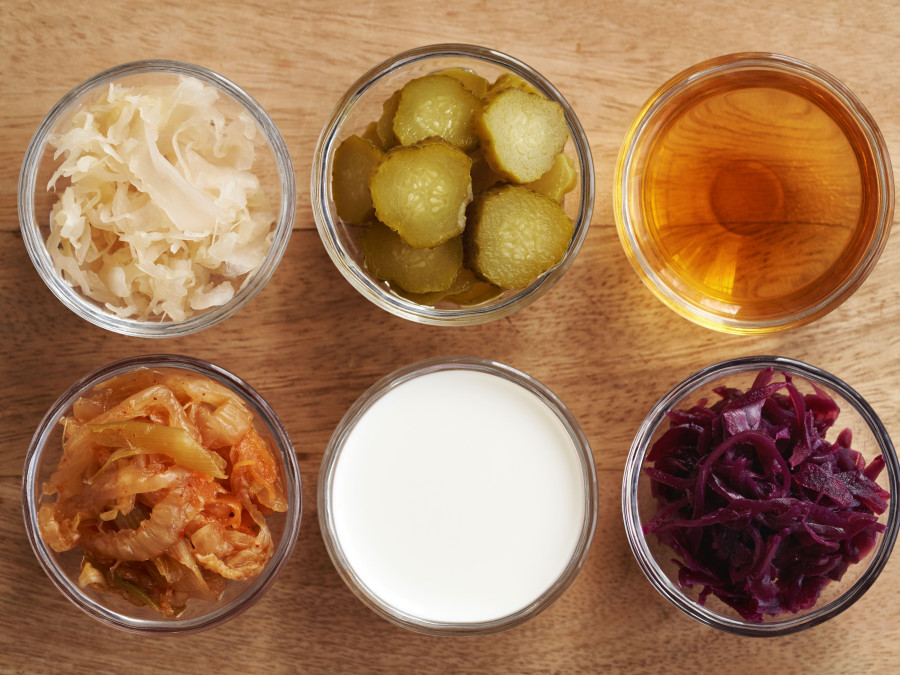
People have been fermenting foods for around 9000 years - originally as a way to preserve food and make it last longer. Today, researchers are finding fascinating links between fermented foods and a range of health benefits. They're often promoted as a gut health superfood, but are they really worth adding to your diet?
First things first: what is a fermented food?
Fermented foods are foods (and drinks) made through fermentation, a process involving tiny living organisms such as bacteria and yeast. During fermentation, these microorganisms feed on naturally occurring sugars and other nutrients in food. In the process, they produce compounds such as organic acids, gases and alcohols. These compounds make the food more acidic, which can support the growth of beneficial bacteria and slow the growth of harmful bacteria. Fermentation has long been used to help foods last longer while also creating the unique flavours and textures of many popular foods. You might be surprised to learn that you already eat fermented foods regularly.
Here are some common examples:
- Yoghurt
- Aged cheeses such as Swiss and Emmental
- Kefir
- Kombucha
- Miso
- Tempeh
- Sauerkraut
- Kimchi
- Pickled cucumbers (dill pickles)
- Soy sauce
- Fish sauce
- Worcestershire sauce
- Vinegar
- Olives
Are fermented foods good for your gut?
This is where things get interesting. Much of the research is observational, which means that we can see links between fermented foods and better health, but not always prove cause and effect.
Many fermented foods contain live microorganisms, and some contain strains with probiotic properties, often referred to as the “good bacteria”. These good bacteria help to increase the diversity of the gut microbiome - the community of trillions of microorganisms living in your digestive system. A healthy gut microbiome plays an important role in supporting digestive health. What is a microbiome?
One of the other things the fermentation process can do is make certain nutrients in food more available. This is because the bacteria are able to break down some of the structures within food, making some nutrients easier to digest and absorb.
Fermented foods, particularly certain fermented dairy foods, may have blood pressure-lowering effects through the bioactive compounds that are produced during fermentation, but this needs more research.
Researchers are also interested in whether changes to the gut microbiome may influence other aspects of health beyond digestion. Some studies are exploring whether fermented foods may support brain health, including mood and cognitive function, through the gut-brain connection.
Fermentation may also increase the availability of beneficial plant compounds called polyphenols in some foods. Polyphenols have antioxidant and anti-inflammatory properties and may help support both gut and brain health. Eating foods rich in polyphenols has been associated with a lower risk of neurodegenerative diseases such as dementia, although more research is needed to understand the specific role fermented foods may play.
Are all fermented foods the same?
No, and the benefits of eating fermented foods can vary depending on the food, the types or strains of live bacteria present, and the person’s existing gut microbiome.
Not all fermented foods contain live bacteria by the time you eat them. Shelf stable products are more likely to have been heated, pasteurised or processed after fermentation to make them last longer, killing the beneficial bacteria before it reaches the shelf. Refrigerated products like yoghurt, kefir, and refrigerated kimchi and sauerkraut are more likely to contain live or “good” bacteria.
Look for phrases on the label such as:
- "Contains live and/or active cultures"
- "Live cultures"
- "Unpasteurised" (for foods like sauerkraut and kimchi)
Sometimes manufacturers list specific live cultures, such as:
- Lactobacillus acidophilus or L. acidophilus
- Bifidobacterium or Bifidus
- Streptococcus thermophilus or S. thermophilus
- Lactobacillus casei or L. casei.
This is a good sign that live bacteria are present.
How much should I eat?
Aim to include a variety of fermented foods regularly. Start small and increase the amount gradually if your body is not used to eating them. The recipes in the table below can help you get started.
If you have a weakened immune system or take medications that suppress immunity, speak with your doctor before making major changes to your intake of fermented foods.
Some fermented foods can also be high in histamines. People with histamine intolerance may experience symptoms such as headaches, rashes, flushing or other allergy-like reactions after consuming certain fermented foods.
Here are some fermented foods to try:
Fermented food |
Recipes |
Yoghurt Check the label for statements like "contains live cultures". |
|
Miso A small amount goes a long way! Stir miso into soups, marinades or dressings for an instant umami flavour boost. |
|
Tempeh Made from fermented soybeans, tempeh can be sliced and added to stir-fries, salads, grain bowls, or tray bakes. |
|
Sauerkraut and kimchi Refrigerated products are more likely to contain live microorganisms. Try adding to sandwiches, eggs on toast, tacos or salads. |
|
Kombucha Look for varieties with less added sugar (or make your own!) Enjoy it as an alternative to soft drink or alcoholic drinks. |
|
Vinegar-based dressings Use in dressings, marinades or sauces, or drizzle over roasted vegetables. |
Thinking about fermenting foods at home? Proper food safety is essential. Using sterilised equipment and following trusted fermentation methods can help ensure harmful bacteria don't grow and your fermented foods are safe to enjoy.
Author/s: Georgia Rea APD